A Quick Guide to In-Home Physiotherapy: What Patients Should Know
In-home physiotherapy has become a practical solution for people who need rehabilitation but find it difficult to travel to a clinic. Whether due to mobility challenges, post-surgical recovery, chronic pain, or a preference for convenience, receiving care at home allows patients to access the same professional treatment they’d get in a clinical setting—without the stress of commuting.
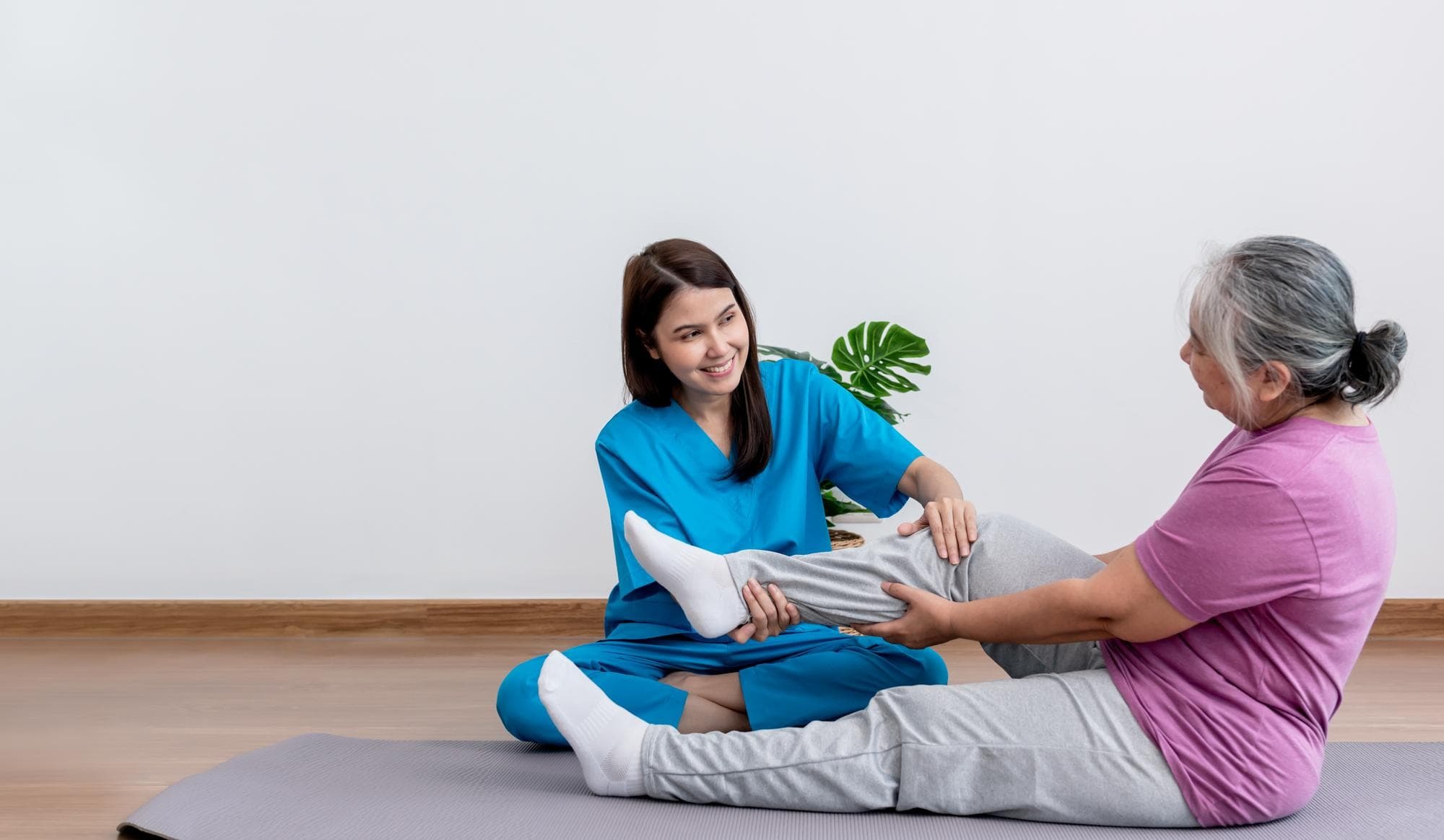
At-home physiotherapy follows a simple process: a licensed therapist visits your home, assesses your condition, and provides a tailored treatment plan using portable equipment. From strength training and balance work to hands-on therapy and pain-relief techniques, every session is personalized to help patients recover safely in their own space.
A wide range of individuals benefit from this model, including seniors, people healing from injuries, neurological patients, and busy professionals who prefer flexible scheduling. One of the most common concerns is whether special equipment is needed. In most cases, the answer is no—therapists arrive with everything required, from resistance bands and balance pads to massage tools and TENS units. If long-term recovery calls for extra tools, therapists may suggest simple add-ons like small weights, a foam roller, or an exercise mat.
Cost and insurance are also frequent questions. Session prices depend on the type of treatment, duration, and location, and most clinics accept credit, debit, e-transfer, and direct billing when coverage allows. This makes in-home physiotherapy not just accessible, but also financially manageable for many households.
For anyone seeking convenient, hands-on rehabilitation, in-home physiotherapy offers a safe, comfortable alternative that doesn’t compromise on quality. It’s a practical way to stay consistent with treatment and focus on long-term recovery—right from your living room.
Post a comment